
Introducing Yakushima’s Tree Species! 5 Representative Trees, Including Yakusugi and Himeshara

What are the famous tree species on Yakushima?
A.
The representative isYakushima cedar (esp. one over 1000 years old)There are also other trees, such as the Japanese white pine, the Yakushima rhododendron, and the banyan tree. Since the types of trees you see vary depending on the elevation, the species you’ll encounter along your hike will differ too!
Introducing the Tree Species of Yakushima!
5 Representative Trees, Including Yakusugi and Himeshara

Yakushima is an islandAbout 90 percentIt is an island covered in forests and home to a wide variety of tree species.
In addition to Yakusugi cedars, you’ll encounter a variety of trees depending on the elevation, including Himeshara, Yakushima rhododendrons, and banyan trees. In this article, we’ve compiled a list of five representative tree species and the places where you can find them.
◆For those interested in the differences between Yakusugi and Kosugi, or in how forests change with altitude
◆For those who want to find notable trees, such as the Himeshara and the Yakushima rhododendron
◆For those looking for places to enjoy trees, such as Shiratani Unsuikyo and Yakusugi Land
Click here to see the ranking of popular tours in Yakushima.
If you're not sure, go with this!
▼Click here for recommended Yakushima tours▼
What Types of Trees Grow on Yakushima? Forests That Vary by Altitude

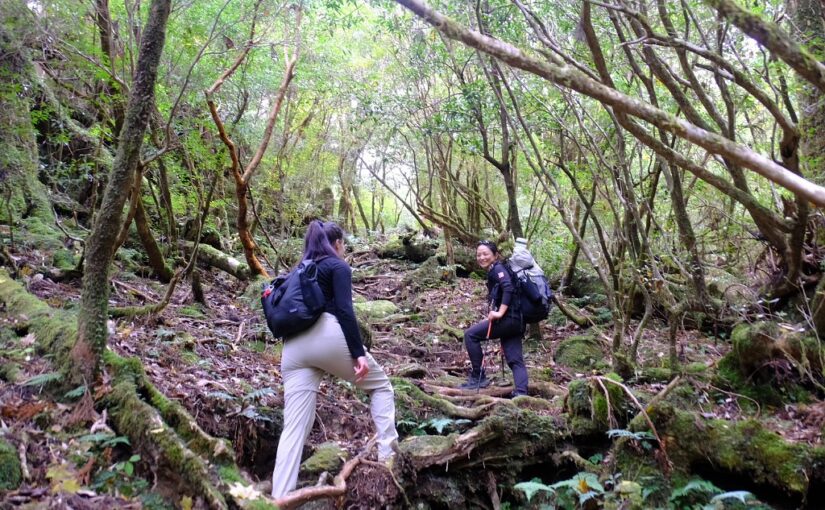
Yakushima Island isDepending on the elevation...the types of trees you see change dramatically. From the coast to the mountaintop, you can enjoy the changing scenery of the forest—it’s almost like traveling the length of the Japanese archipelago.
Here, I'll go through the characteristics of forests at different elevations one by one.
If you want to experience the changes in the forest firsthand, this is the one for you!
▼Click here for recommended Yakushima tours▼
Trees from the coast to the lowland subtropical and evergreen broadleaf forests
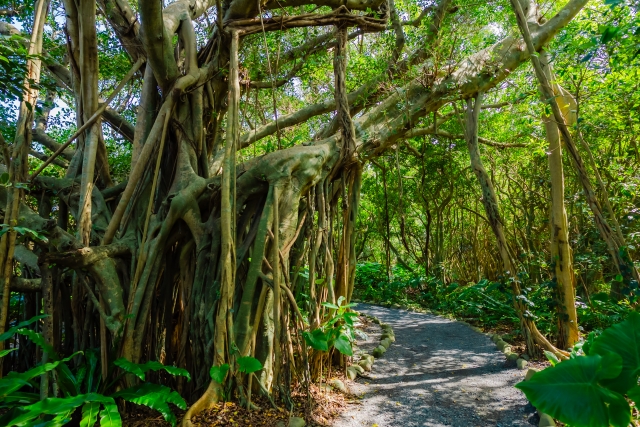
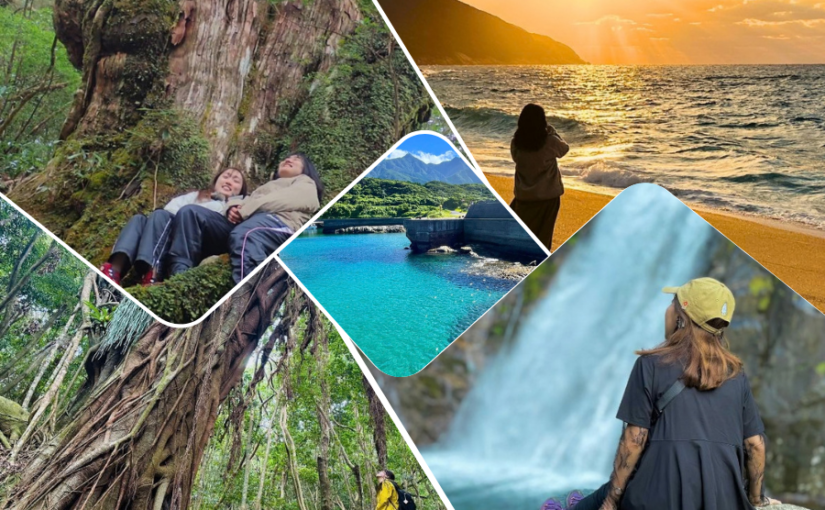
Near the coast, which is influenced by the warm Kuroshio Current, species such as black sea bream and banyan trees,Subtropical Plantscan be seen.
The low-altitude forests are densely covered with broad-leaved evergreens such as tabunoki, shii, and kashi. Many of these trees are evergreen with glossy leaves, giving the area a distinctly tropical feel.
There are trails, such as the Nishi Forest Road, where you can see everything from subtropical plants to alpine flora. The forests near the ocean have a charm all their own, with a different character than those found at higher elevations.
A forest of cedar, fir, and hemlock on the mid-slope
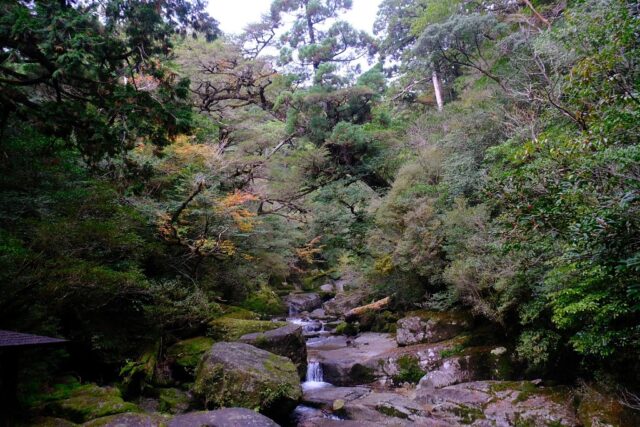
As the elevation increases, the forest becomes a mixed forest of Japanese cedar, fir, hemlock, Japanese white pine, and Japanese white birch.
A mix of coniferous and deciduous trees,Mixed coniferous and broadleaf forestIt's a forest known as [...]. This is also the elevation range where Yakusugi cedars grow.
Fir, hemlock, and cedar trees are most common at elevations around 1,000 meters, and Yakushima is considered the southernmost point of their range. In the forest, you’ll encounter a mystical landscape where towering trees intertwine.
Yakushima Rhododendron and Yakushima Bamboo near the summit
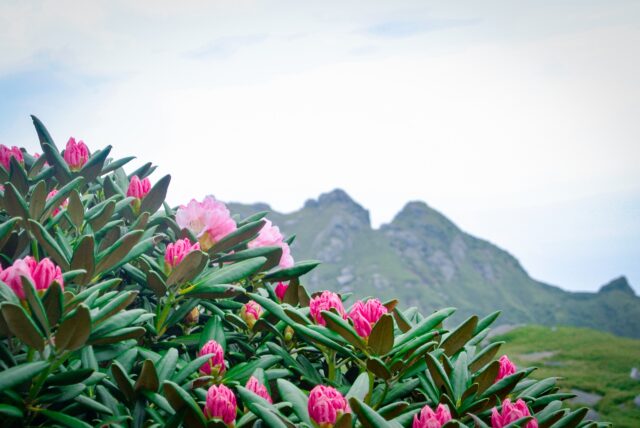
Near the summit of Mt. Miyanoura—the highest peak in Kyushu—the winds are strong and it is cold, making it difficult for tall trees to grow.
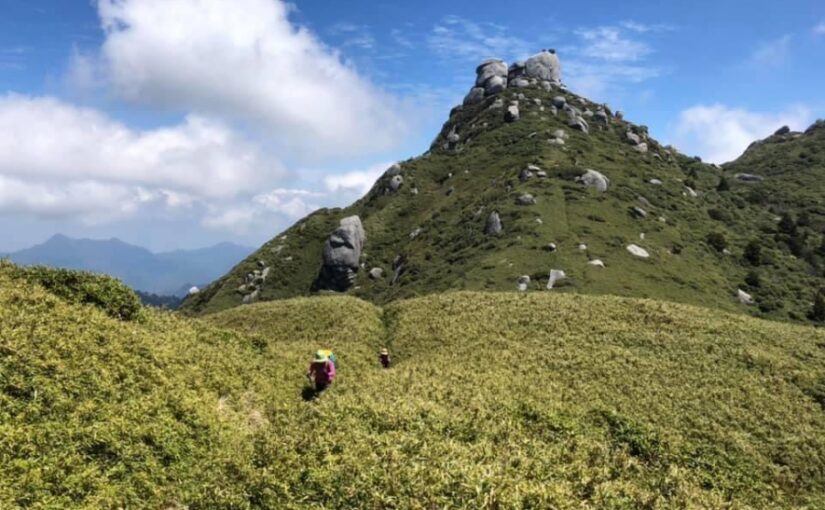
Instead, the vegetation shifts to one dominated by Yakushima rhododendrons and Yakushima bamboo. Yakushima bamboo is a plant unique to the island, named after Yakushima itself.
In early summer, the pink flowers of the Yakushima rhododendron add a splash of color to the mountains. Since reaching this elevation requires a serious hike, why not try it out on a guided tour first?
5 of Yakushima's Most Iconic Trees

From among the trees of Yakushima, we’ve selected five representative species that you should definitely know about.
If you know the elevations of these landmarks, it’ll make spotting them as you walk around that much more fun.
If you're going to see the trees, this is the one to get!
▼Click here for recommended Yakushima tours▼
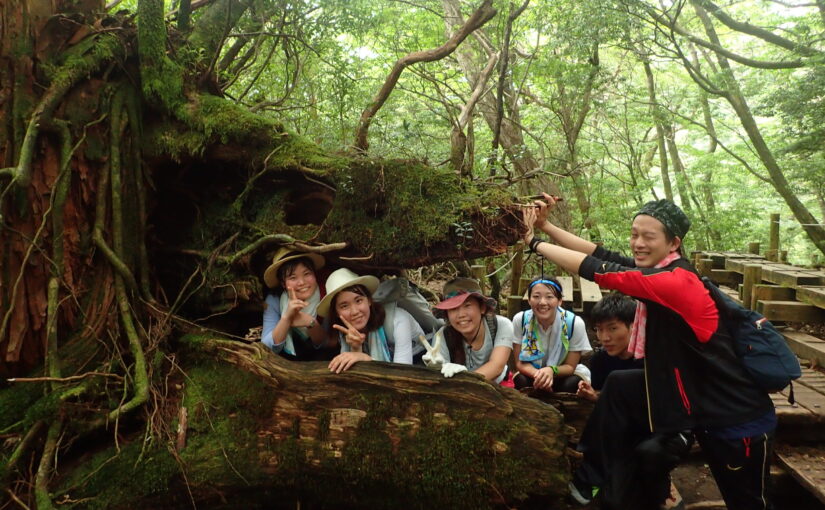

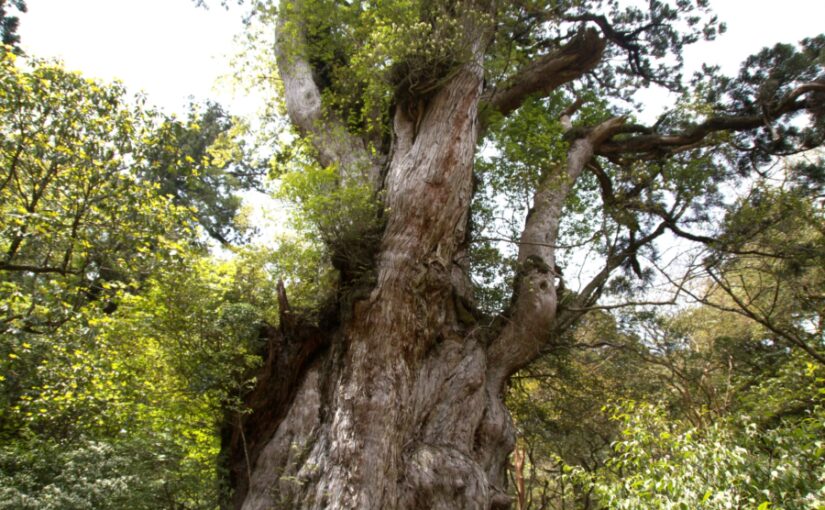
Yakushima cedar (esp. one over 1000 years old)
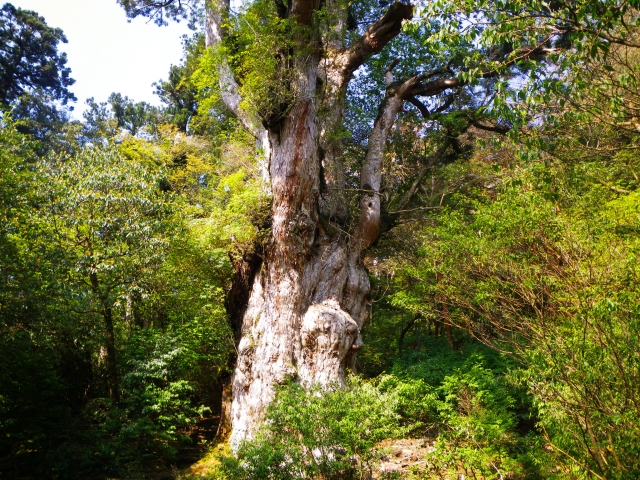
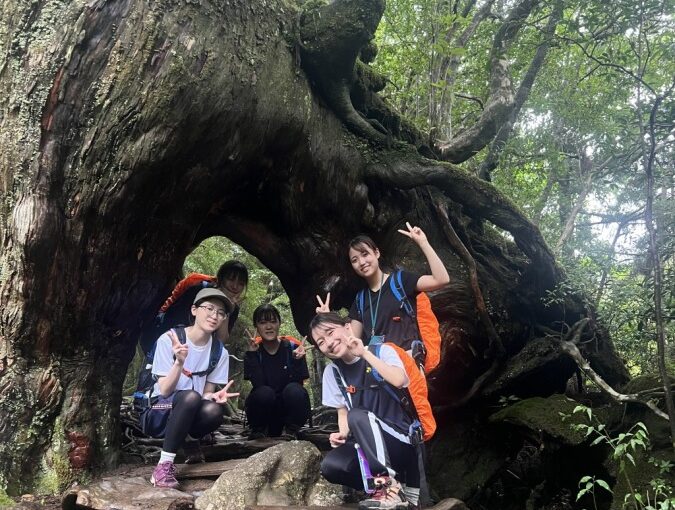
Yakusugi refers to the cedar trees native to Yakushima that are1,000 yearsrefers to trees that are older than that. Trees less than 1,000 years old are called “kosugi” and are classified separately.
The soil on Yakushima is nutrient-poor, so Japanese cedar trees grow very slowly. Because their growth rings are tightly packed and they contain a large amount of resin with antibacterial properties, they are said to be resistant to rot even in areas with heavy rainfall.
The largest Yakusugi cedar is the Jomon Sugi, which is said to be over 2,000 years old, though some theories suggest it is as old as 7,200 years.
Click here for the Yakushima Forest & Jungle Tour
Himeshara
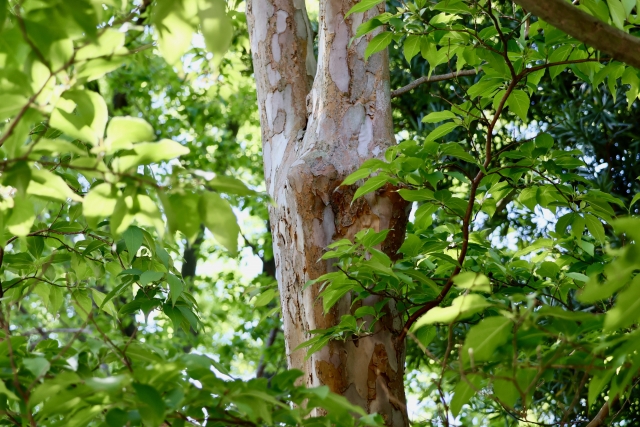
Himeshara is a deciduous tree in the Camellia family with smoothLight reddish-brownThis tree is notable for its striking bark. Its name means “small shara” (summer camellia), and both its leaves and flowers are small and have a delicate, elegant appearance.
On Yakushima, it can be found in mixed coniferous and broadleaf forests—where it grows alongside Japanese cedar and other species—in the mid-slope forests. In early summer, it blooms with white flowers. The flowers are ephemeral, wilting within a single day.
At Yakusugi Land, the leaves of the Japanese white birch, mountain ash, and Yakushima long-leaf maple turn color in the fall. When you spot them among the conifers, their reddish-brown trunks really stand out.
Yakushima Rhododendron
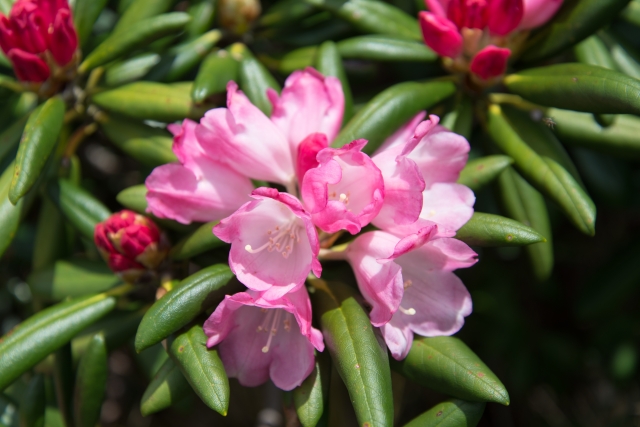
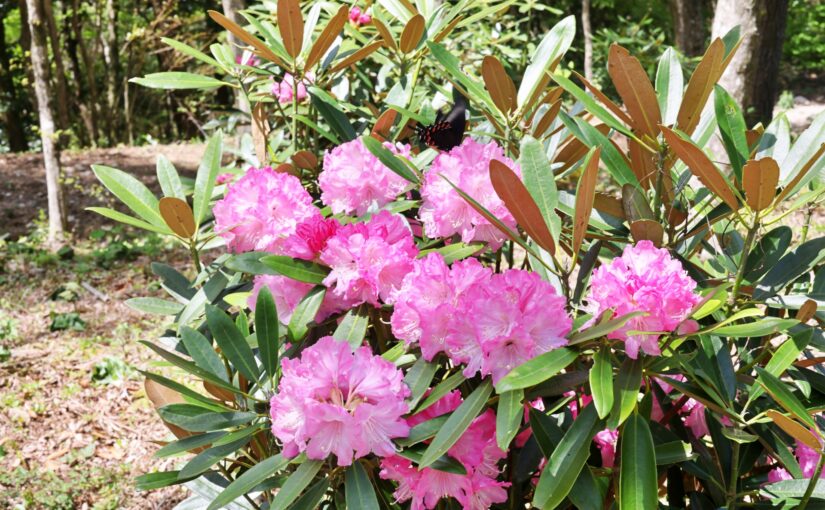
The Yakushima rhododendron is,Endemic to YakushimaThis is a rhododendron. It grows wild in high-altitude areas above 1,200 meters, and the area near the summit of Mt. Miyanoura is a must-see.
The flowers bloom pink and turn white before falling. They bloom from late May to early June. The trail starting at the Yodogawa Trailhead is known for its large colonies of Yakushima rhododendrons.
If you don't have time to hike in the mountains, there are also places where you can see them at botanical gardens, so be sure to check them out!
Fir and Hemlock
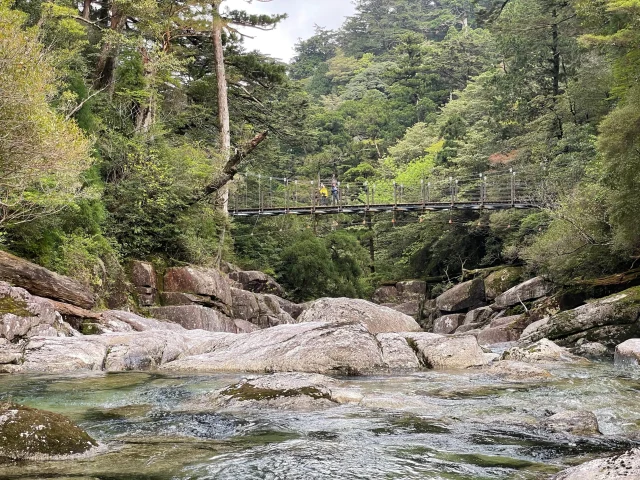
Fir and hemlock are conifers that, along with cedar, form the forests on the mid-slopes of Yakushima. They are most common at elevations around 1,000 meters, and Yakushima is said to mark the southern limit of their range.
Intermingling with Yakusugi cedars, Himeshara trees, and Yamaguruma trees,Mixed coniferous and broadleaf forestIt creates a unique landscape.
If you hike through high-altitude forests like Yakusugi Land and Shiratani Unsuikyo, you’ll have more chances to see them.
If you look not only at the Yakusugi cedars but also at the trees around them, you can really feel the depth of the forest.
banyan tree
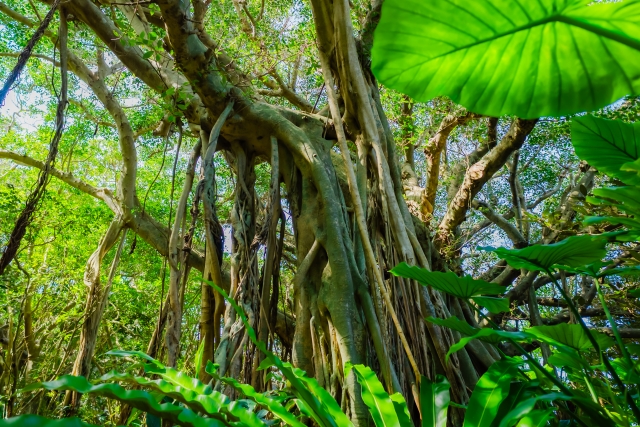
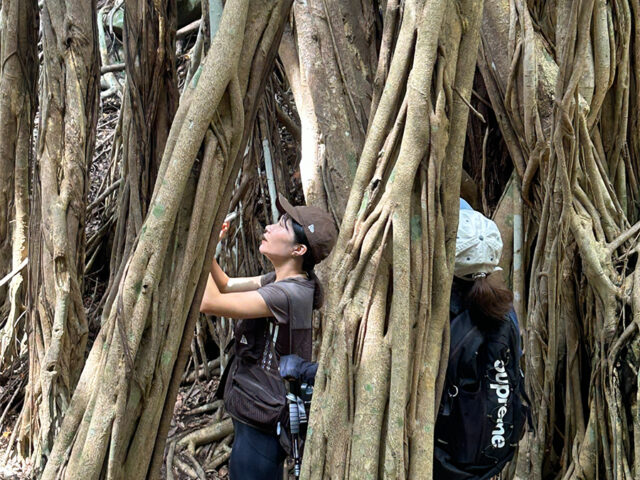
The banyan tree hangs down like a horse's tail.Aerial rootsIt is a subtropical plant characterized by [...]. Yakushima is said to be the northernmost point of the banyan tree's range.
Shidoko Banyan Tree Park features a dense stand of banyan and akou trees, as well as a walking trail that takes about 10 minutes to complete and offers views of the ocean.
It can also be seen along the Western Forest Road as one of the subtropical plants. You’ll get a sense of a tropical side to Yakushima that’s quite different from the typical image of Yakusugi cedars.
Recommended Places to See the Trees of Yakushima
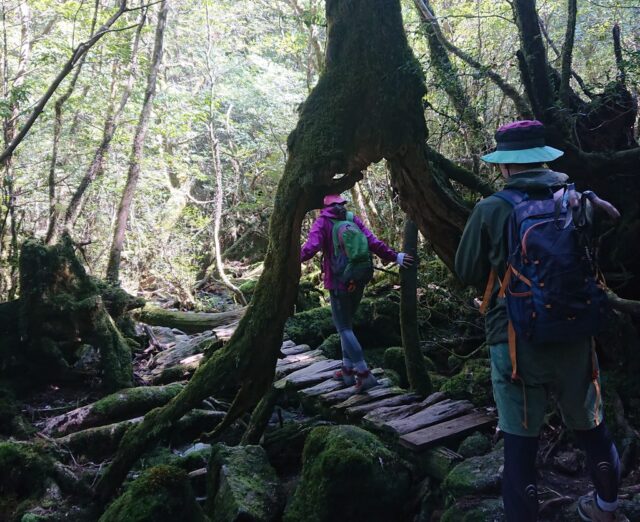
If you're planning to see the trees on Yakushima, it's safest to stick to well-maintained, popular spots. From beginner-friendly trails to serious hikes,Three Representative LocationsLet me introduce it to you.
Please choose the option that best suits your physical condition and schedule.
Guided tours for peace of mind☆
▼Click here for recommended Yakushima tours▼
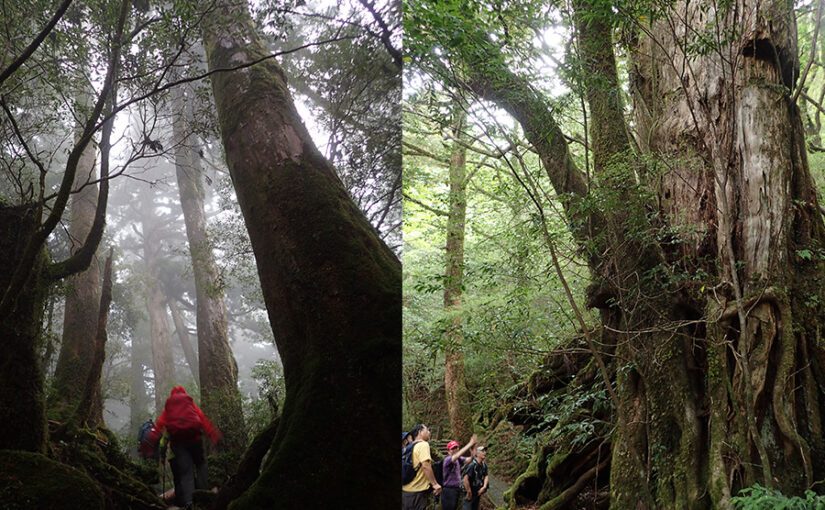

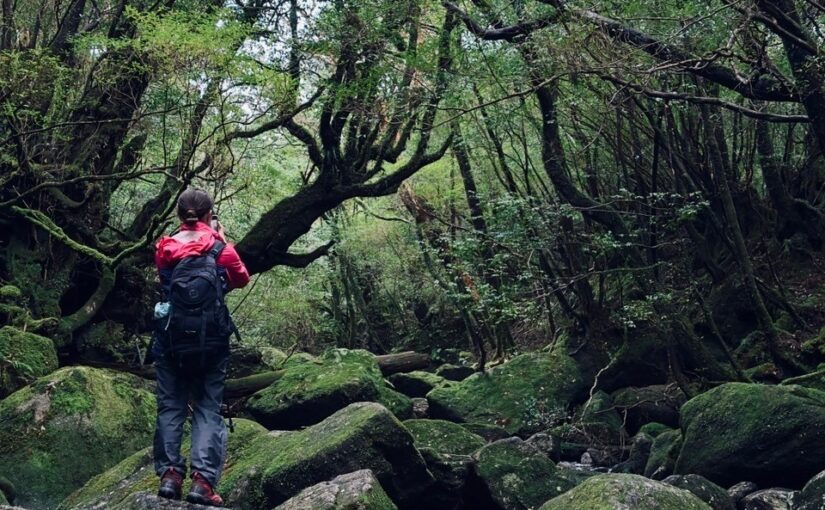
Shiratani Unsui Gorge (Shiratani Unsui Gorge)
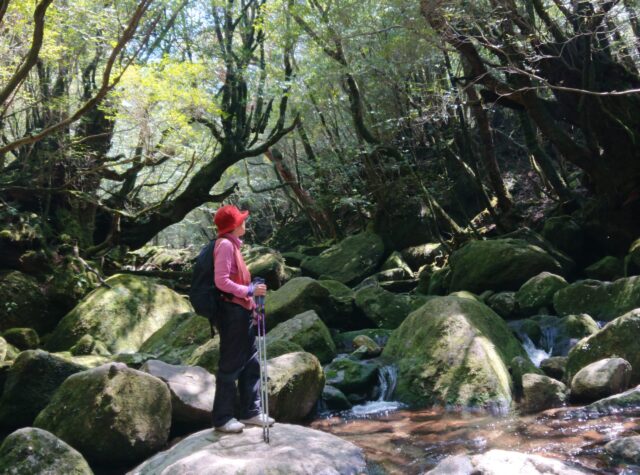
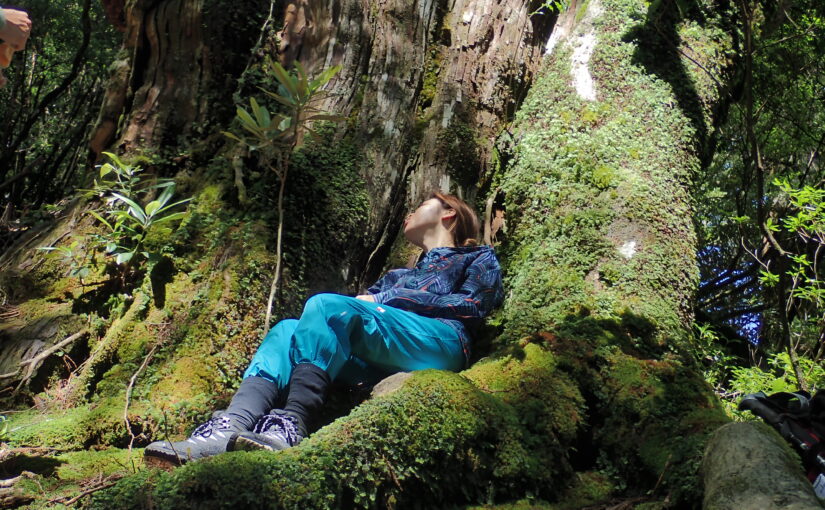
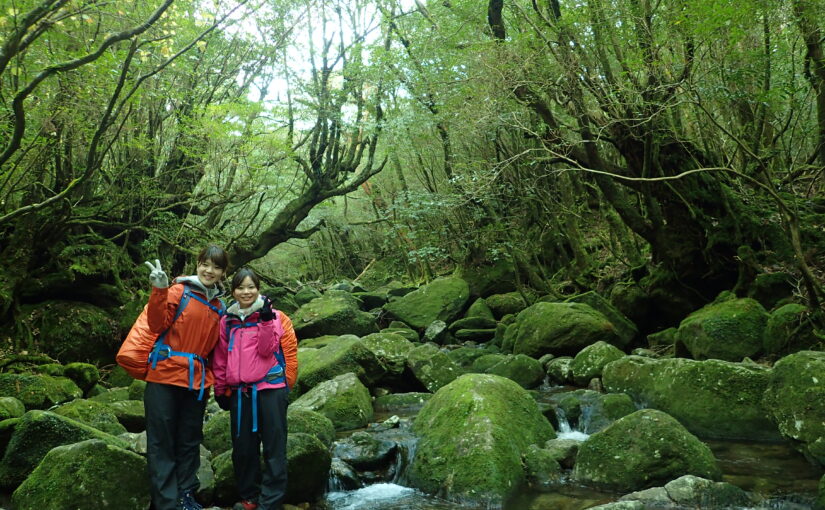
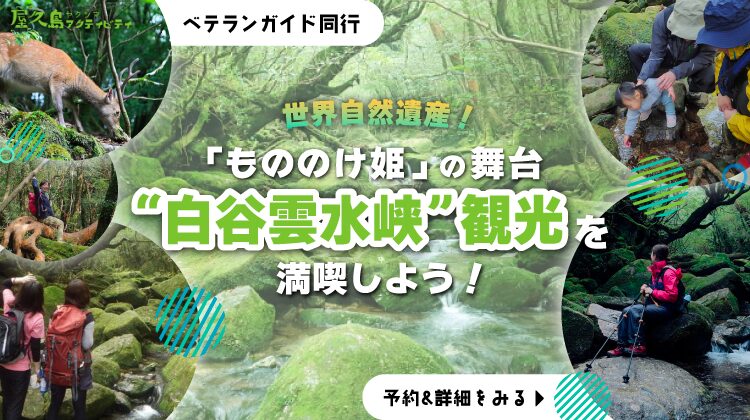
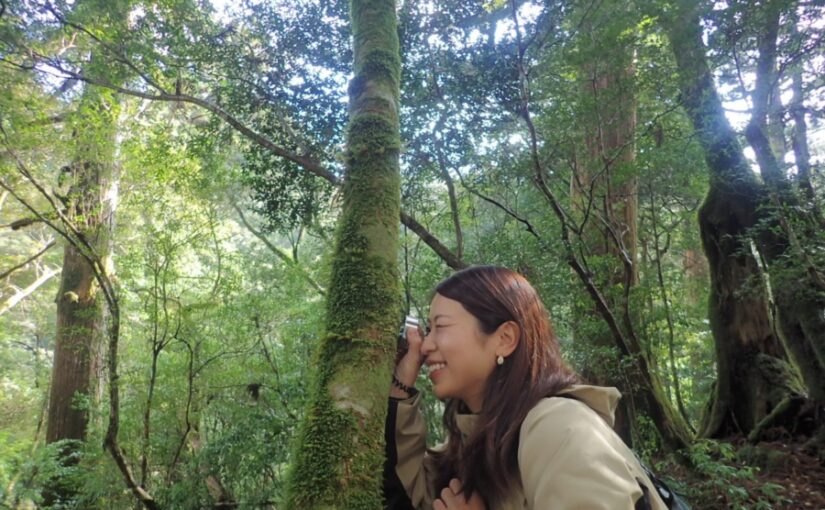
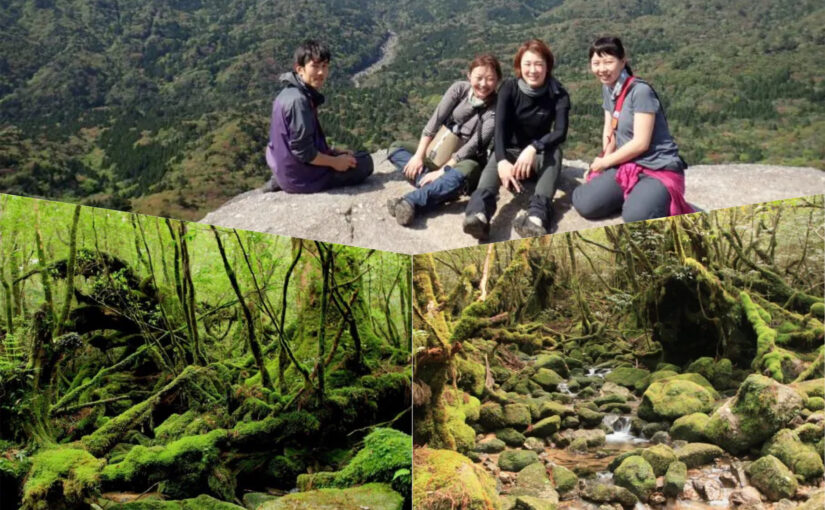
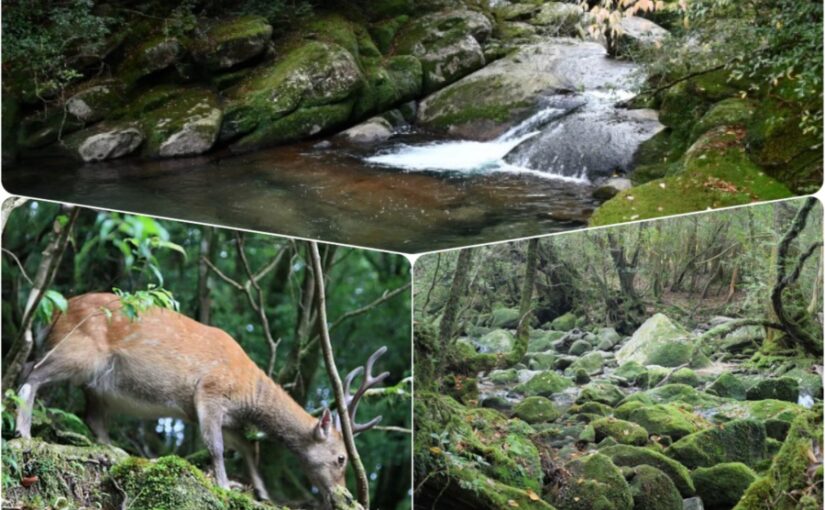
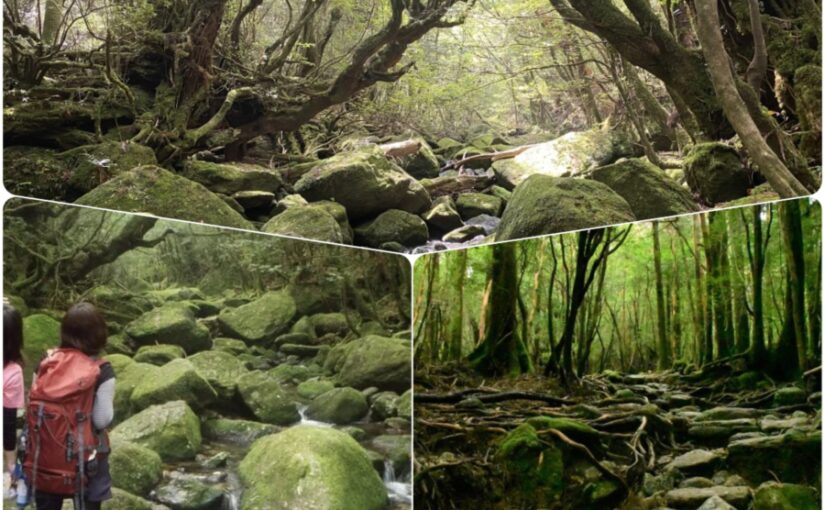
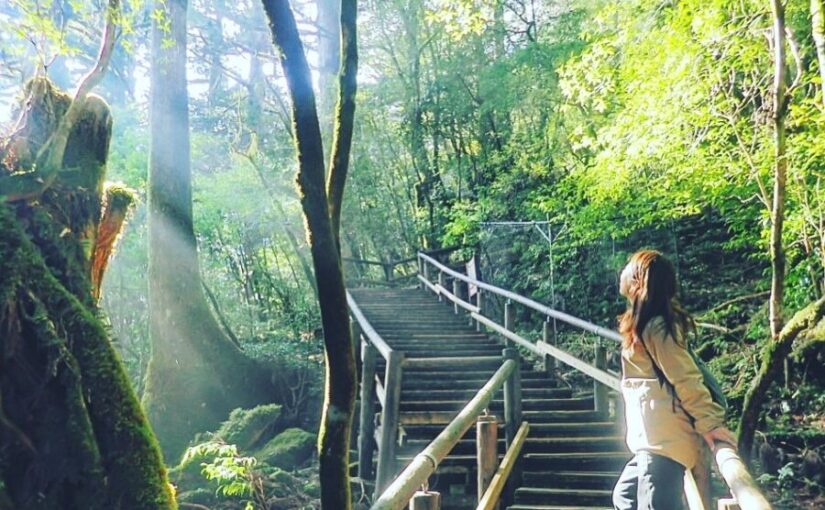
Shiratani Unsuikyo is a natural recreational forest that stretches from an elevation of 600 to 1,050 meters. The enchanting, moss-covered “mossy forest" is famous, and visitors can enjoy the contrast between the Yakusugi cedars and the moss.
If you make your way out to Taiko Rock, a sweeping panoramic view of Yakushima’s mountains awaits you. The round trip to Taiko Rock takes about 4 to 5 hours, so it’s best to head into the forest early in the day.
There is an admission fee to enter the forest, and the administration building is open from 8:30 a.m. to 4:30 p.m. On rainy days, the moss looks even more lush and vibrant, which is part of the charm.
Click here for the Yakushima Forest & Jungle Tour
◆Hours: Administration Building 8:30 a.m.–4:30 p.m. (Open daily)
◆Directions: About 25 minutes by car or 30 minutes by bus from Miyanoura Port (get off at Shiraya Unsuikyo—it’s right there). Free parking available.
Yakusugiland
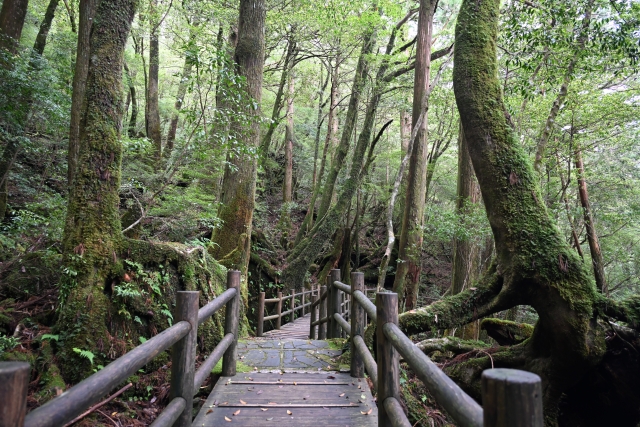
Yakusugi Land is a natural recreational forest of Yakusugi cedars that stretches across an elevation range of approximately 1,000 to 1,300 meters. With trails ranging from 30 minutes to 210 minutes,5 CoursesSince there are a variety of options available, you can choose one that suits your fitness level and schedule.
On the 50-minute course, you can see the “Buddha Cedar,” and on the 150-minute course, the “Bearded Elder” and other famous Yakusugi trees. All courses take you through a grove of Yakusugi trees, ranging from those over 1,000 years old to younger ones under 1,000 years old.
The shorter trails have well-maintained walking paths, making them ideal for beginner hikers and children.
A donation is required for admission. The park closes in case of inclement weather, so be sure to check in advance.
◆Hours: Administration Building 8:30 a.m.–4:30 p.m. (Open daily; closed during severe weather such as typhoons or heavy rain)
◆Directions: About a 40-minute drive from Awa Port and about an hour by car from Yakushima Airport. Free parking available.
Jomon Cedar Trekking

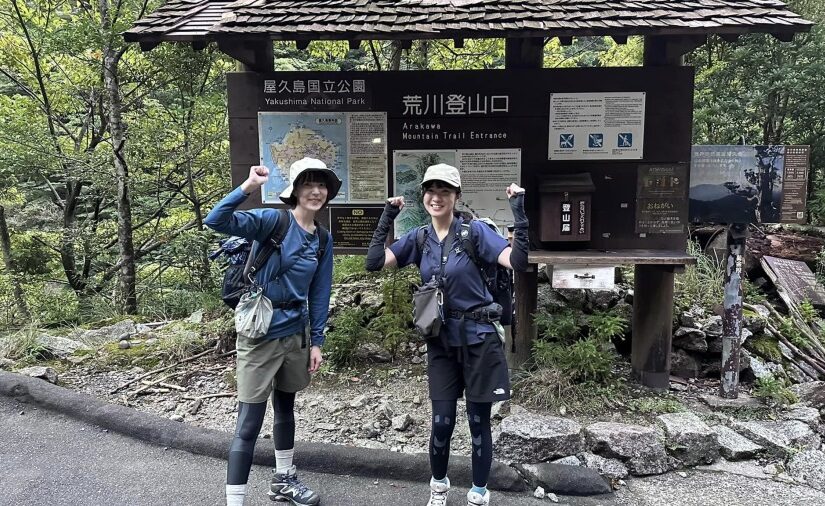
To see the Jomon Sugi—the largest Yakusugi cedar—you’ll walk from the Arakawa trailhead. The trail follows a former tram track for the first part of the hike, and the one-way distance is about 8 km.
After that, we turned onto a mountain trail, and for a round-trip day hike,Approx. 10 hoursIt's a good idea to take a look at this.
To reach the Arakawa Trailhead, take the Arakawa Hiking Bus from the Yakusugi Nature Center. From March through November, private vehicles are prohibited from entering the area.
Since it's a long journey, the schedule generally calls for an early morning departure. If you're not confident in your stamina, you'll feel more at ease if you take a guided tour.
Click here for trekking tours on Yakushima
◆Estimated Time: About 10 hours round-trip from the Arakawa Trailhead (for a day trip)
◆Directions: Take the Arakawa Hiking Bus from the Yakusugi Nature Center to the Arakawa Trailhead (private vehicles are restricted from March through November)
Tips for Enjoying the Trees of Yakushima
Even if you know the types of trees,How to Tell Them Apart and What to WearKnowing this will make your day that much more enjoyable.
Here, I’ll explain the differences between Yakusugi and Kosugi, as well as some tips on what to wear depending on the season.
Perfect for beginners, too!☆
▼Click here for recommended Yakushima tours▼

The Difference Between Yakusugi and Kosugi

Since it is difficult to distinguish between Yakusugi and Kosugi based on appearance alone,age of a tree...is distinguished by...
Cedar trees over 1,000 years old are called “Yakusugi,” while those under 1,000 years old are called “Kosugi.” At Yakusugi Land and Shiratani Unsuikyo, you can walk through forests where Yakusugi and Kosugi grow side by side.
If you walk while observing the thickness of the trunks, how the moss grows, and the shape of the branches, you’ll find it easier to spot the differences. If you’re with a guide, they’ll explain the highlights, so even first-time visitors can feel at ease.
Best Time to Visit and What to Wear

Yakushima offers different attractions depending on the season. The Yakushima rhododendron blooms from late May through early June.
At Yakusugi Land, you can enjoy the fall foliage of trees such as the Japanese white pine from late October through mid-November.
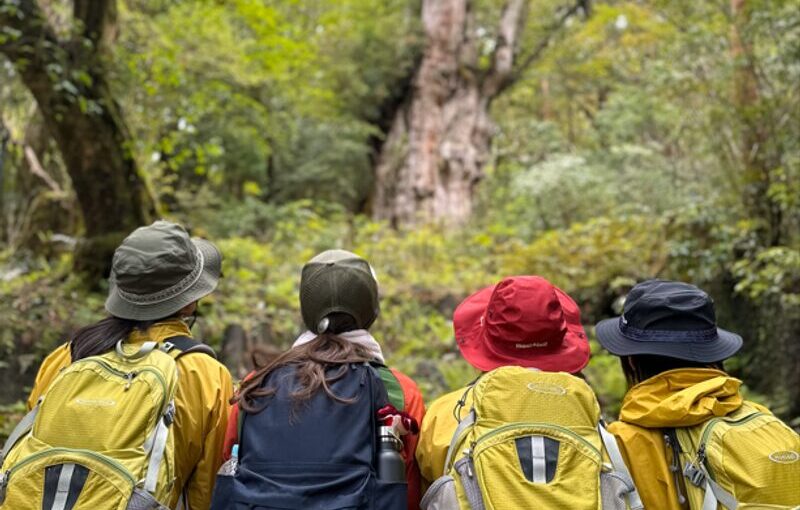
Yakushima gets a lot of rain, and since the mountains receive high amounts of precipitation year-round,Rain gear is a must.That's right. As for clothing, long sleeves, long pants, and hiking shoes are the basics, and a backpack is also handy.
Click here for trekking tours on Yakushima
Frequently Asked Questions (FAQ) About Tree Species on Yakushima
The Jomon Sugi is also a type of Yakusugi. Among the cedar trees growing wild on Yakushima, those over 1,000 years old are called Yakusugi, and the Jomon Sugi is currently the largest confirmed Yakusugi. It is said to be over 2,000 years old, and some theories suggest it may be as old as 7,200 years.
The flowers bloom from late May to early June. They grow wild in high-altitude areas above 1,200 meters, and the area near the summit of Mt. Miyanoura is a prime spot to see them. The trail starting from the Yodogawa trailhead is known for its dense clusters of these flowers.
This is a round-trip day hike starting from the Arakawa Trailhead, and the estimated time is about 10 hours. After walking about 8 km one way along the trolley track, you’ll enter the mountain trail. To reach the Arakawa Trailhead, take the Arakawa Hiking Bus from the Yakusugi Nature Center; early morning departures are standard. If you’re not confident in your physical fitness, a guided tour is your best bet.
summary
The trees on Yakushima are,Depending on the elevationYou can see a wide variety of plants, ranging from subtropical to alpine species.
Knowing about Yakusugi cedar, Himeshara, Yakushima rhododendron, fir and hemlock, and banyan trees will make your forest walks even more enjoyable.
Depending on your fitness level and schedule, choose from Shiraya Unsuikyo, Yakusugi Land, or the Jomon Sugi trek, and head out to see the trees of Yakushima!
▼Click here for articles to read in conjunction with this article.